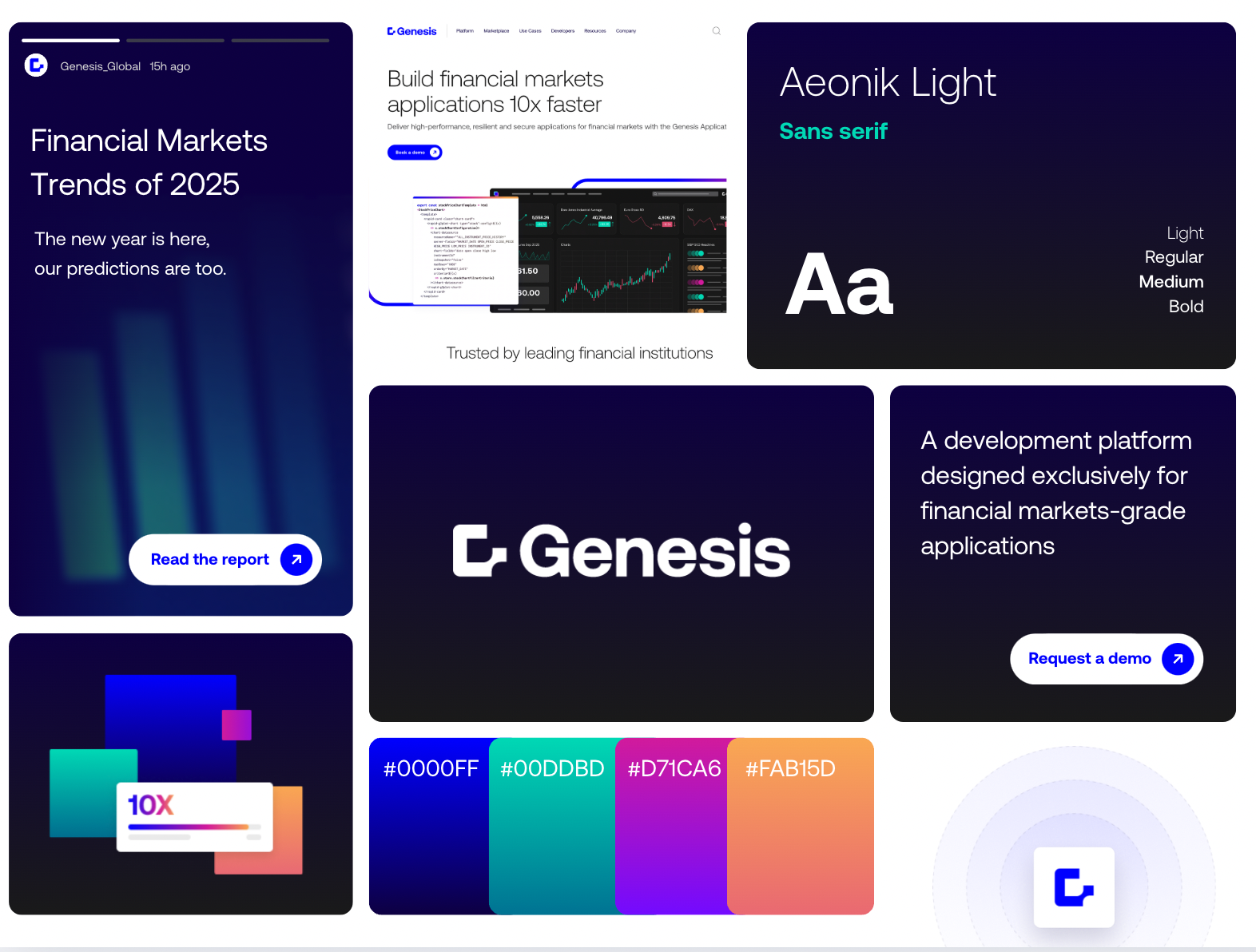
Translating Genesis’ new visual identity into a flexible, practical system that could support the pace and variety of a growing fintech company.
When I joined Genesis in April 2022, the company had recently completed a major rebrand with an external agency. I was hired as Senior Designer to take the foundation they created and transform it into a living design system—launching and managing the new website, extending the brand where templates didn't exist, and ensuring consistency across every customer touchpoint.

-
A brand guideline is only valuable if people can actually use it.
The agency had developed the visual identity, but like many brand systems, it couldn't anticipate every future need. Marketing campaigns, event materials, landing pages, sales collateral, social media, presentations, and internal communications all required assets that hadn't yet been designed.
My challenge wasn't simply following the guidelines—it was extending them thoughtfully while preserving the integrity of the new brand.
-
I became the primary steward of the Genesis brand, partnering with Marketing, Leadership, and the external agency to ensure the new identity was consistently applied across the organization.
Responsibilities included:
managing the redesigned website front and backend
managing the design system
creating new templates
managing website content
coordinating with the agency
maintaining visual consistency
supporting marketing campaigns
developing event materials
developing social media content
creating ad-hoc content for sales, HR, and product teams
-
Rather than treating the brand guidelines as a static rulebook, I treated them as a starting point.
I began identifying the recurring creative problems the organization was encountering: What assets were repeatedly being recreated? Where did teams need more flexibility? Which pieces needed to feel highly branded, and which needed to be fast and easy for non-designers to use?
From there, I built out the missing layers of the system.
01 — Extend the visual language
I developed new applications for the brand while maintaining its established visual principles.
This included creating systems for campaigns, events, presentations, sales materials, social content, digital advertising, and other recurring communications.
The goal was not to make every asset identical. It was to create enough visual structure that everything felt unmistakably Genesis while still allowing individual communications to have their own purpose.
02 — Build reusable templates
Where the same design problem appeared repeatedly, I turned it into a template rather than solving it from scratch every time.
This created a growing library of reusable assets that made it easier for Marketing and other teams to produce on-brand communications quickly.
The system eventually supported 400+ marketing assets across the organization.
03 — Create a scalable content infrastructure
As the volume of creative work increased, I helped organize the growing collection of assets into a more usable Sales Enablement Library and introduced clearer processes for creative requests and intake.
This shifted the creative function from a reactive model—“Can you make this?”—toward a more organized system where teams could find, reuse, and request the right resources.
04 — Make the brand usable by non-designers
A successful brand system can't depend on a designer being involved in every single communication.
I developed templates and systems that allowed teams to work within the brand while preserving the core visual identity.
This became particularly important as Genesis grew and more teams needed to communicate externally without adding unnecessary design bottlenecks.
-
The result was more than a collection of branded assets. The Genesis brand became a working system.
400+ marketing assets created and managed across the organization
Expanded the original agency-created identity into the day-to-day applications required by a growing fintech
Built a reusable library of templates and sales enablement materials
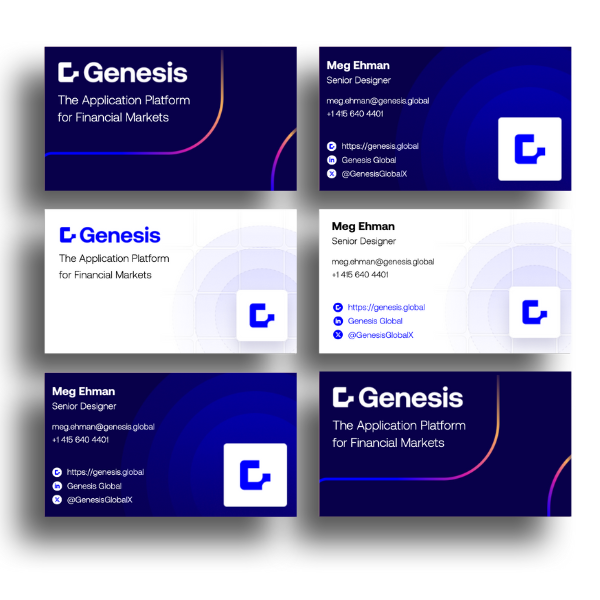
Improved consistency across web, campaigns, events, social, sales, and internal communications
Created systems that enabled non-designers to produce more on-brand content
Established a more structured creative intake and production process
Managed the ongoing evolution of the brand as business needs changed
Most importantly, the brand no longer lived primarily inside a PDF of guidelines. It lived in the tools, templates, processes, and everyday communications people actually used.
-
This project changed how I think about brand systems.
A rebrand isn't finished when the new logo, colors, typography, and guidelines are delivered. That's when the real work begins.
The most valuable part of my role at Genesis was learning how to take a strategic brand foundation and make it useful, scalable, and resilient in the real world. It required balancing consistency with creativity, structure with flexibility, and brand stewardship with the speed of a growing company.
It also reinforced something I now bring to every brand project: The best creative systems don't just make things look consistent. They make it easier for an organization to communicate well.
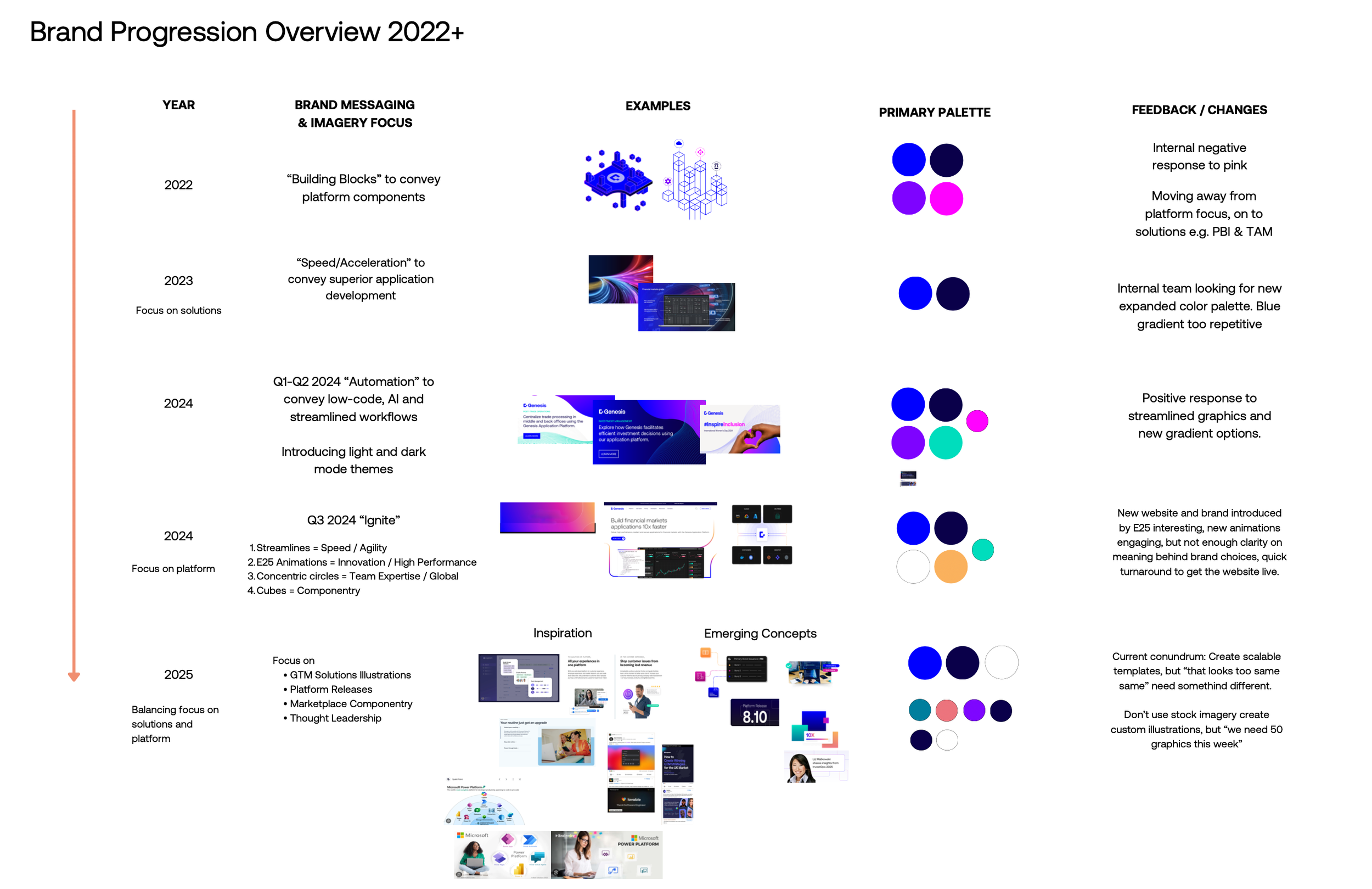
Genesis Visual Identity Evolution from 2022-2025
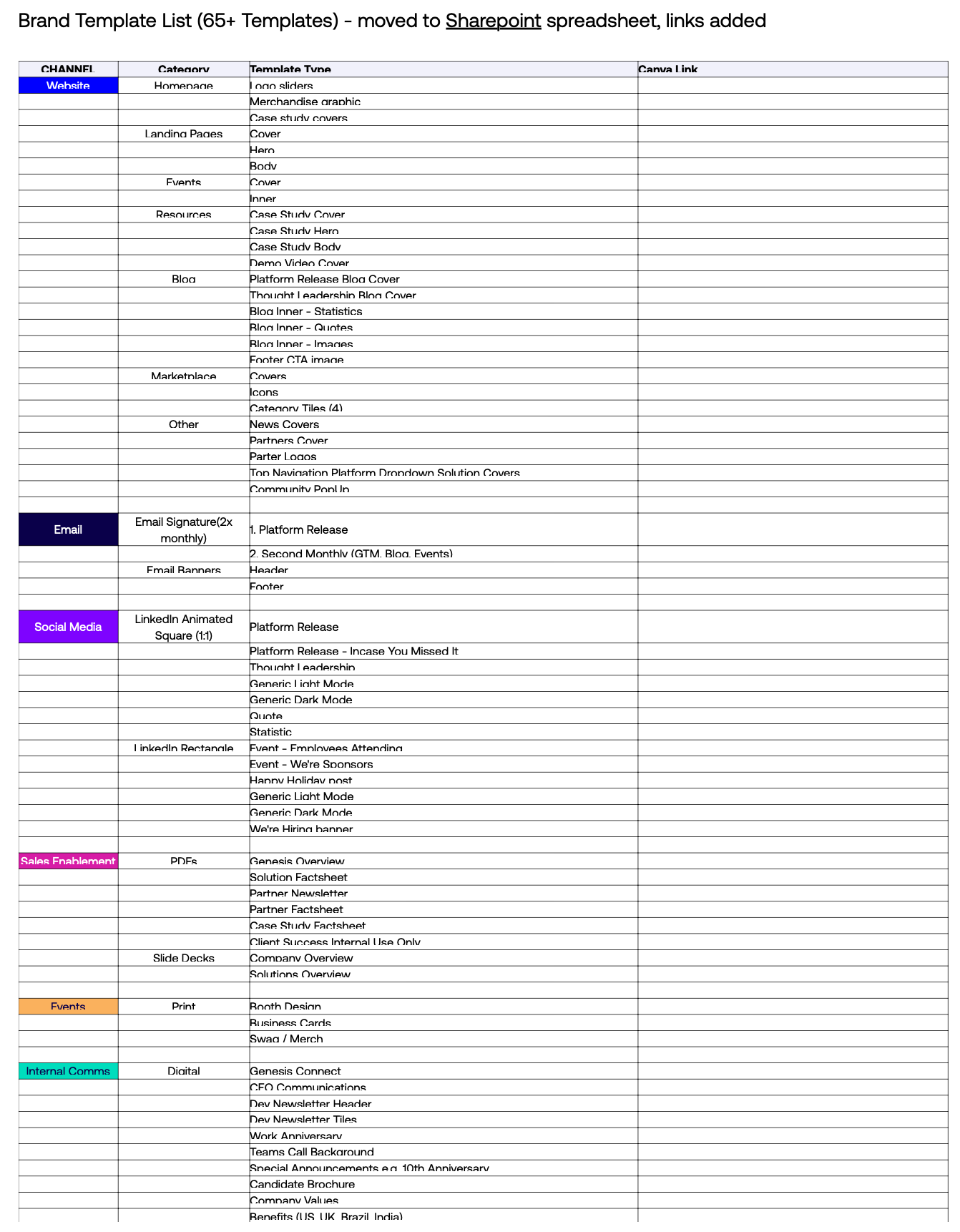
List of graphic templates created and available for non-design team members through Canva
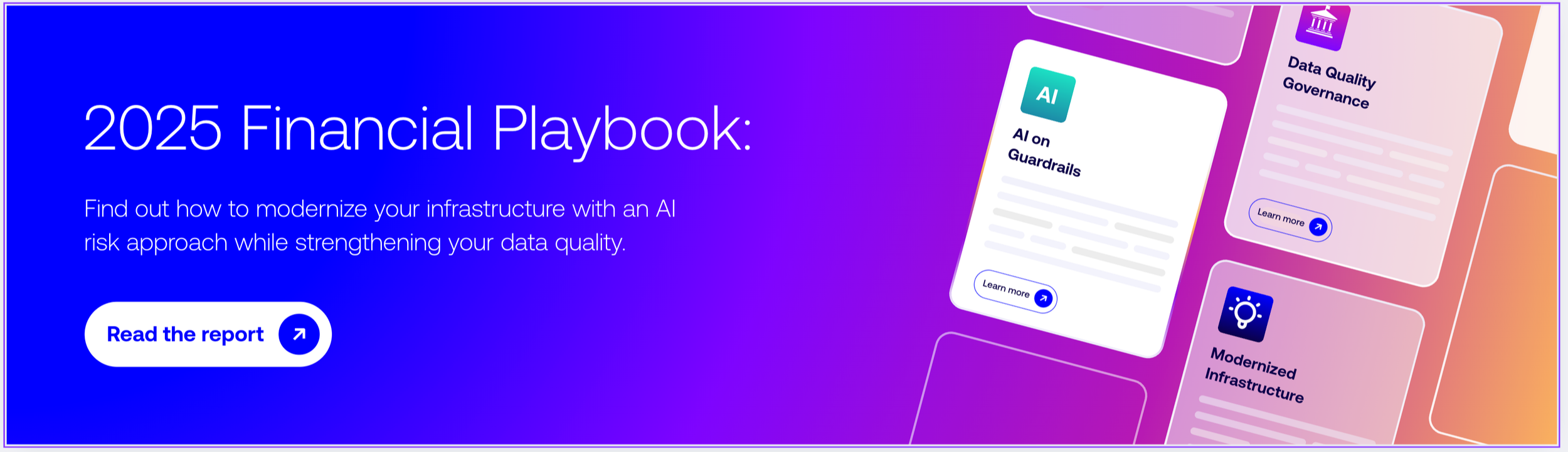
Sample report graphic published on the Genesis website in 2025. I produced 400+ assets per year over three years with Genesis.
View more of my work for Genesis


